Thursday, September 4, 2014

Holidays, Seasons and Homeschooling


One the few things that new homeschooling families may fear they will miss is the array of
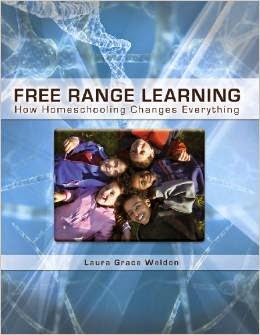
Amazon
traditional school celebrations of holidays and seasonal changes. As you will see though, when you join a homeschool group, subscribe to a homeschooling magazine and/or peruse some of the homeschooling sites online, the traditional holiday and seasonal related school events can be easily replaced with just as special activities you create or find in the community.

Remember, homeschooling means more time to build upon and create family traditions, and it also means that you can be more creative in finding ways to celebrate the special times of year with others.

For example, say one of your family's Christmas highlights was the school's Christmas (or winter festival) program where the children performed carols. An alternative, and a charitable one at that, could be getting together with a few other homeschooling families for caroling at a local nursing home or pediatrics unit. If you have budding actors in the family or homeschool group, you could even put together a play or skit to perform as well. Or your family could join up with others for some old-fashioned neighborhood caroling. Churches also provide many opportunities along these lines as well.

Other Christmas activities could include crafts, making felt applique stockings and making and selling wreaths to earn money for a special holiday outing or charity, collecting toys for less fortunate children, etc. These can be family activities or ones you do with other families, clubs or a church group. The same would go for any holiday. Other holiday traditions like making Mother's Day and Father's Day cards at school can be done at home with the help of the other parent or a sibling.

Homeschooling groups are great for organizing activities like this. One holiday that is probably more painful than fun for many kids in formal school settings is Valentine's Day. It's great for kids who are popular and get their Valentine's bags filled with cards from their classmates, but it can be crushing for the child who doesn't get many cards. Many teachers now require everyone gets a card, but then that has its problems too. Valentine's Day is a great day for building your own family traditions. One fun activity is to pick up some old-fashioned valentine making supplies (such as doilies and pink construction paper) and make Valentine's to mail to friends and relatives. Trust me; these will be much more treasured than an email greeting.

Celebrating holidays without the constrictions of the school also means you can celebrate them in ways that reflect your family's values, not school regulations. You can also integrate holidays into the children's lessons with both fun, hands-on activities as well as researching, at the library and/or online, aspects such as history and worldwide traditions.

The changing seasons lend themselves to fun activities for homeschooling families, and again you will find a treasure trove of information at the library and online. When autumn approaches, for example, do a search for children's fall activities or leaf crafts. Then, go for a fall family hike and collect leaves and items to use in your craft. Seasonal changes can easily become part of lessons. Actually you can integrate seasons and holidays for that matter into just about any subject, from history, literature and math to writing, science and music.

But what about the long-standing tradition of summer vacation? Homeschooling doesn't have to be year round, although you may not want to take three months off from learning. Summer's still a great time to take things slower and to enjoy nature outings like camping, river rafting or day trips to the beach. There's no rule about when or how you celebrate summer. Some families like to declare a vacation from school work for two or three weeks (or more), and then just spend a little less time on school for the rest of the season, while savoring the delights of summer.

Monday, August 11, 2014

Dealing with Opposition from Those Against Homeschooling


With at least 2 million children being homeschooled today, we don't hear half as
http://www.amazon.com/gp/product/193538709X/ref=as_li_tl?ie=UTF8&camp=1789&creative=9325&creativeASIN=193538709X&linkCode=as2&tag=funeascra-20
much opposition as back when the movement was new, but still, many do question the validity of homeschooling as a respectable alternative to formal education, and worse yet, some will point fingers and claim you are doing your children a disservice.

When the criticism comes from a stranger, it is fairly easy to ignore, depending on how confident you feel about your choice. If the criticism isn't easy to ignore then you probably should read some of the better books about homeschooling and check in with your homeschooling support group. You will feel better and the next time criticism comes, you may just have a question for the finger pointer, such as "Why do you think that public schools do a good job of socializing children?" Regardless of whether you have a comeback or not, once you are confident in your choice, the criticism from the typical nay saying strangers and acquaintances will run off you like water off a duck.

However, when those against your homeschooling are friends or family, the opposition is much more difficult to deal with because you can't just walk away, end of subject. Often times it's just that they don't know even a small percent of what you know about homeschooling. You may just need to provide some literature to assuage their fears. Be sure to include articles that dispel myths, such as "homeschoolers can't get into college" or "homeschoolers miss out socializing."

Give them fact sheets that exemplify homeschooling success. You can create these by putting together facts you have uncovered in your homeschooling research. Fact sheets will more likely be read than a stack full of printed out articles.

Remind the doubters that homeschoolers are accepted into colleges, many colleges, including Harvard, and that on average homeschoolers do better on
college entrance exams.

Also include on your fact sheets results of studies, such as ones that point to homeschooled children's emotional and social happiness. On the Piers-Harris Children's Self-Concept Scale, for example, half of the children attending public or private schools scored at or below the 50th percentile in self-concept, while only 10 percent of the home-schooling children did so.

With the help of Google put together a list of famous homeschoolers, like Thomas Edison and children who win essay and spelling contests.

If you live in a state that requires periodic testing, show them the scores. Even if testing isn't required, you may want to do this just to have in your homeschooling file. While some of us feel that too much weight is given to test scores, many are more convinced by homeschooler's test scores than anything else. If your children perform well on tests, then those scores and the fact that the children appear happy and busy with outside activities will likely carry enough weight to put worries to rest.

Should the criticism still continue, just chalk the homeschooling issue up to a scapegoat for the criticizer's own issues, and refuse to discuss the matter any further. Then relax in the confidence of knowing you are giving your children a wonderful gift.